
Choosing the right concealer color can feel confusing, especially if you’re new to makeup. One wrong shade can look grey, patchy, or too bright on the skin. The good news? Once you understand a few basics, picking the right concealer becomes easy and stress‑free.
This guide is written in simple, everyday language to help you choose a concealer color that looks natural and works for your skin.
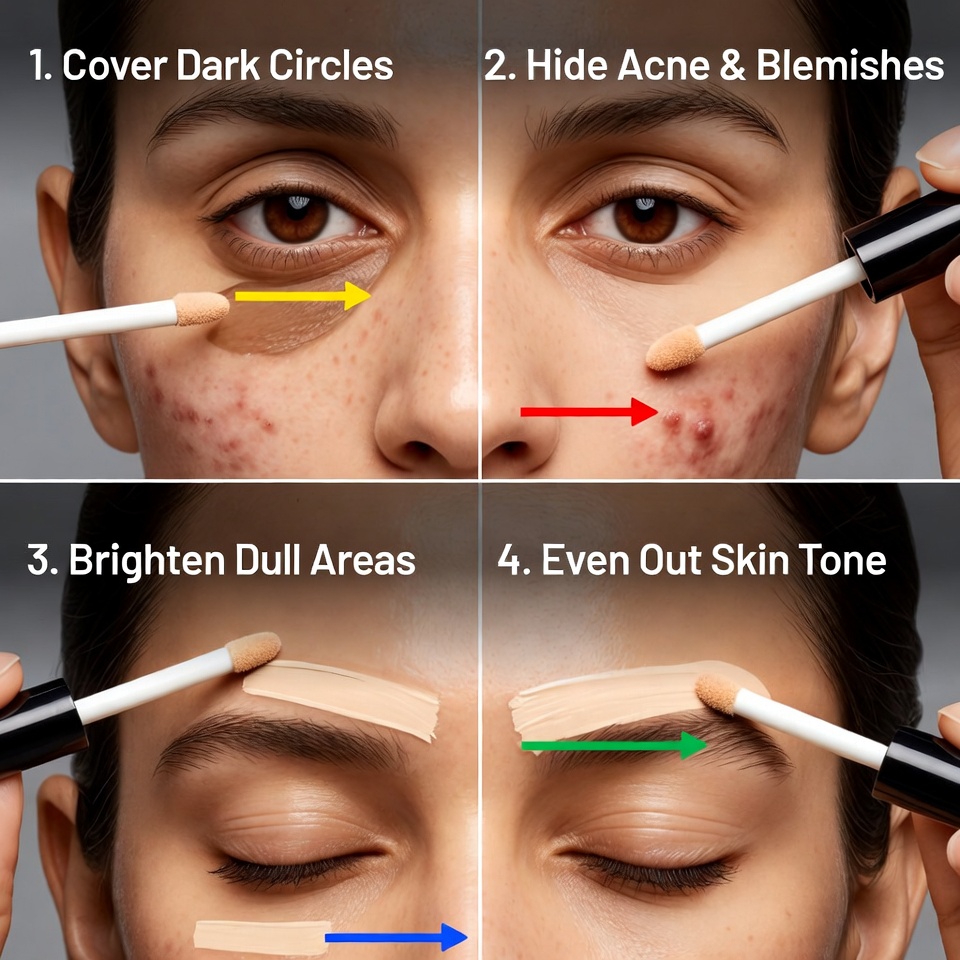
Concealer is a makeup product designed to give extra coverage to areas where foundation alone may not be enough. It helps create a smoother, more even-looking complexion while keeping your makeup looking natural.
1. Covers Dark Circles
Concealer is commonly used under the eyes to reduce the appearance of dark circles, eye bags, and discoloration. A good concealer instantly makes you look more awake and refreshed, especially after long days or little sleep.
2. Hides Acne and Blemishes
Whether it’s pimples, acne scars, redness, or small marks, concealer helps camouflage imperfections without drawing attention to them. When applied correctly, it blends seamlessly into the skin instead of looking thick or patchy.
3. Brightens Dull Areas
Concealer can be used to brighten specific areas of the face, such as the under-eyes, center of the forehead, nose, and chin. This adds a subtle glow and helps your face look healthier and more balanced.
4. Evens Out Skin Tone
For areas with uneven pigmentation or redness, concealer helps balance out skin tone, giving your makeup a cleaner and more polished finish. It works well alongside foundation or even on its own for a natural look.
Step One: Know Your Skin Tone
Before choosing the right concealer, it’s important to understand your skin tone. This helps you find a shade that blends seamlessly into your skin and looks natural instead of patchy or gray.
Identify Your Skin Tone Category
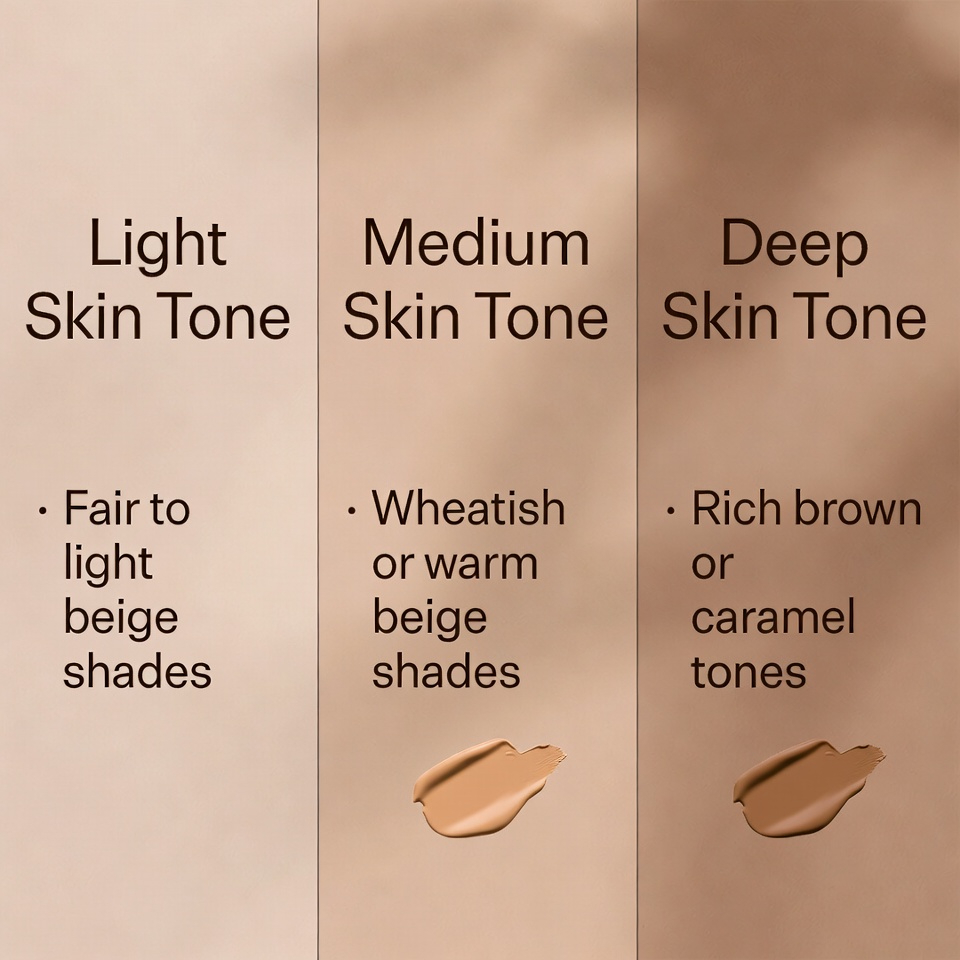
Most skin tones fall into three main categories:
Light Skin Tone
Light skin tones usually range from fair to light beige. If your skin burns easily or looks very pale without makeup, you likely fall into this category. Choose concealers labeled fair, light, or ivory.Medium Skin Tone
Medium skin tones are often described as wheatish, warm beige, or golden. This category suits concealers with warm or neutral undertones that enhance your natural complexion without looking ashy.Deep Skin Tone
Deep skin tones include rich brown, caramel, or deep chocolate shades. Look for concealers with deeper pigments to avoid an unnatural or gray appearance.
Why Matching Your Skin Tone Matters
For the best results, your concealer should be close to your natural skin tone. A well-matched shade blends effortlessly, covers imperfections evenly, and keeps your makeup looking smooth and flawless.
Step Two: Understand Your Undertone
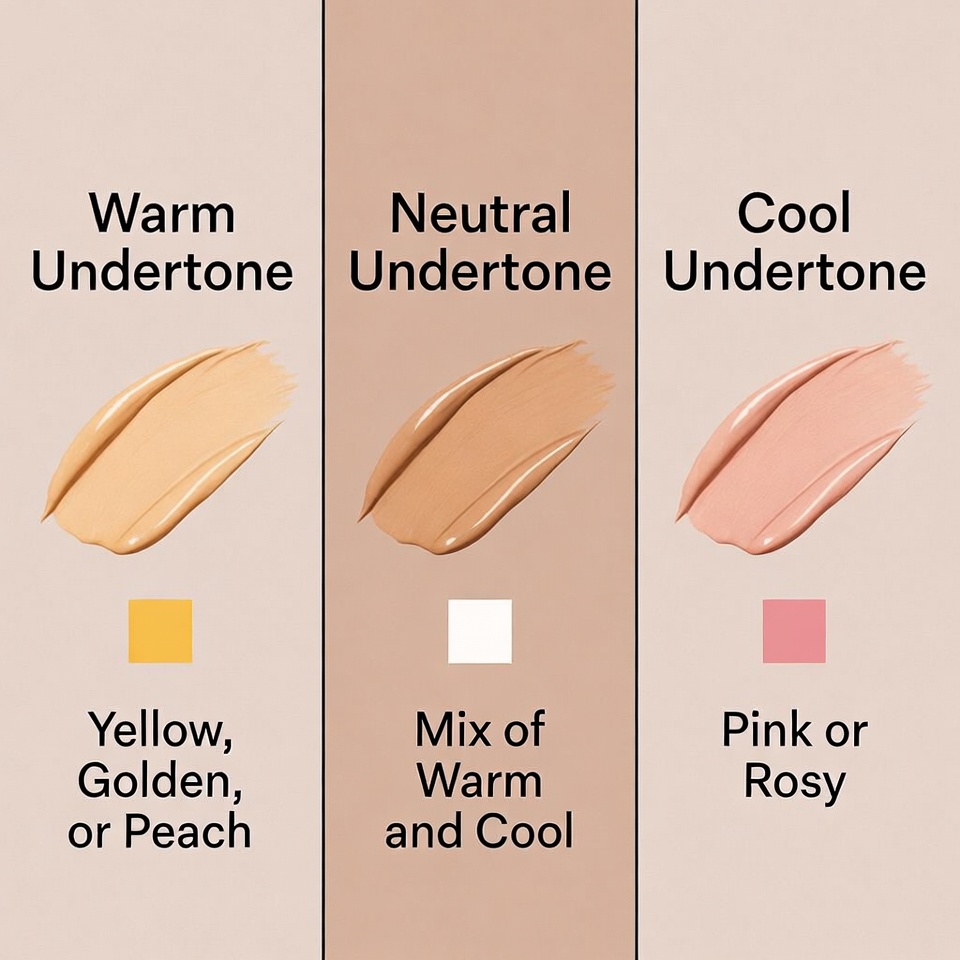
Your undertone is the natural color that lies beneath the surface of your skin. Unlike your skin tone, it doesn’t change with sun exposure and plays a big role in how makeup looks on your face.
Common Types of Undertones
Warm Undertone
Warm undertones have yellow, golden, or peach hues. If gold jewelry flatters you more than silver, or your skin has a naturally warm glow, you likely have a warm undertone. Choose concealers with yellow or golden bases for a seamless match.Cool Undertone
Cool undertones show pink, red, or rosy hints. If silver jewelry suits you better or your skin tends to flush easily, you may have a cool undertone. Concealers with pink or rosy tones work best for you.Neutral Undertone
Neutral undertones are a balanced mix of warm and cool. If both gold and silver jewelry look good on you, you likely fall into this category. Neutral-toned concealers blend easily and look natural on most skin types.
Why Undertone Matters in Concealer
Choosing a concealer that matches your undertone helps prevent your makeup from looking ashy, gray, or overly yellow, giving you a smooth and natural finish.
Choosing Concealer for Different Skin Concerns

For Dark Circles
Under‑eye circles often have blue, purple, or brown tones.
Best choice:
- One shade lighter than your foundation
- Peach or orange‑toned concealer for deeper skin tones
Benefits: Brightens the under‑eye area
Best for: Tired‑looking eyes and dull skin

For Acne and Blemishes
Blemishes need a concealer that blends perfectly with your skin.
Best choice:
- Same shade as your foundation
- Same undertone as your skin
Benefits: Covers spots naturally
Best for: Acne‑prone or uneven skin
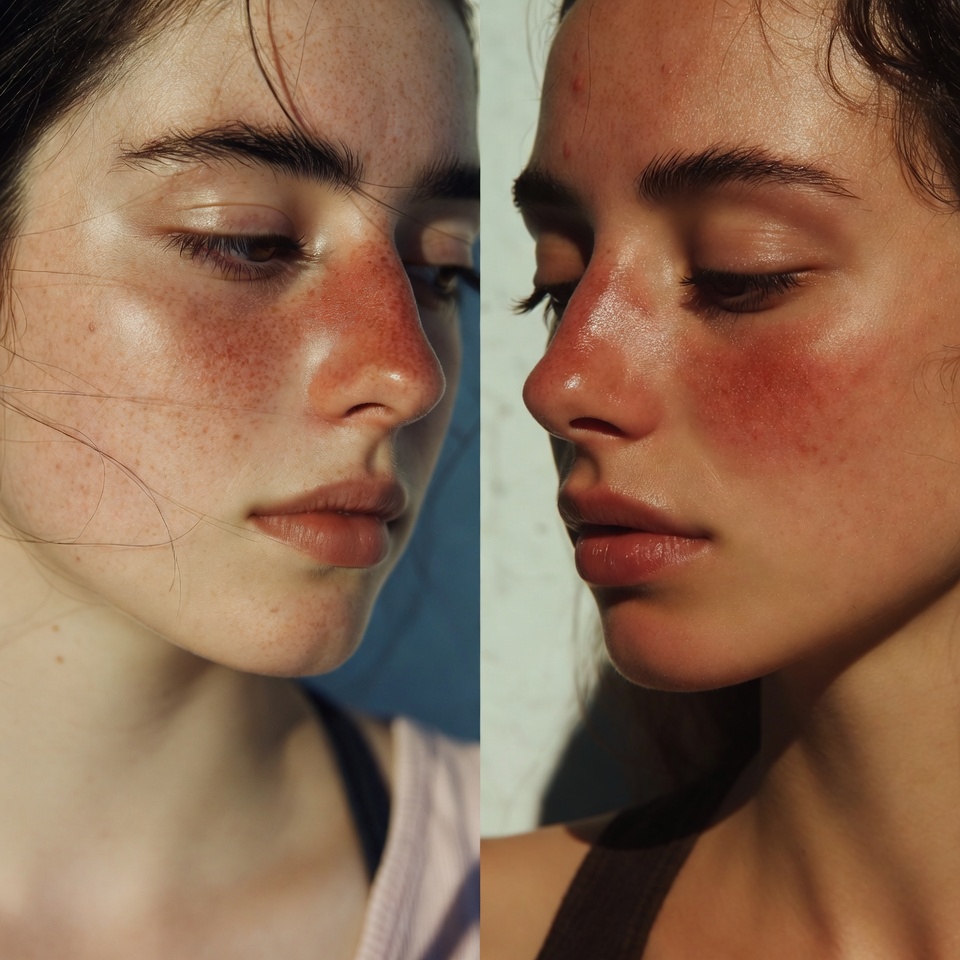
For Redness and Marks
Redness around the nose or acne scars can be tricky.
Best choice:
- Concealer close to your skin tone
- Slightly yellow‑toned concealer can help cancel redness
Benefits: Evens out skin tone
Best for: Sensitive or redness‑prone skin
Cream, Liquid, or Stick: What’s Best for You?
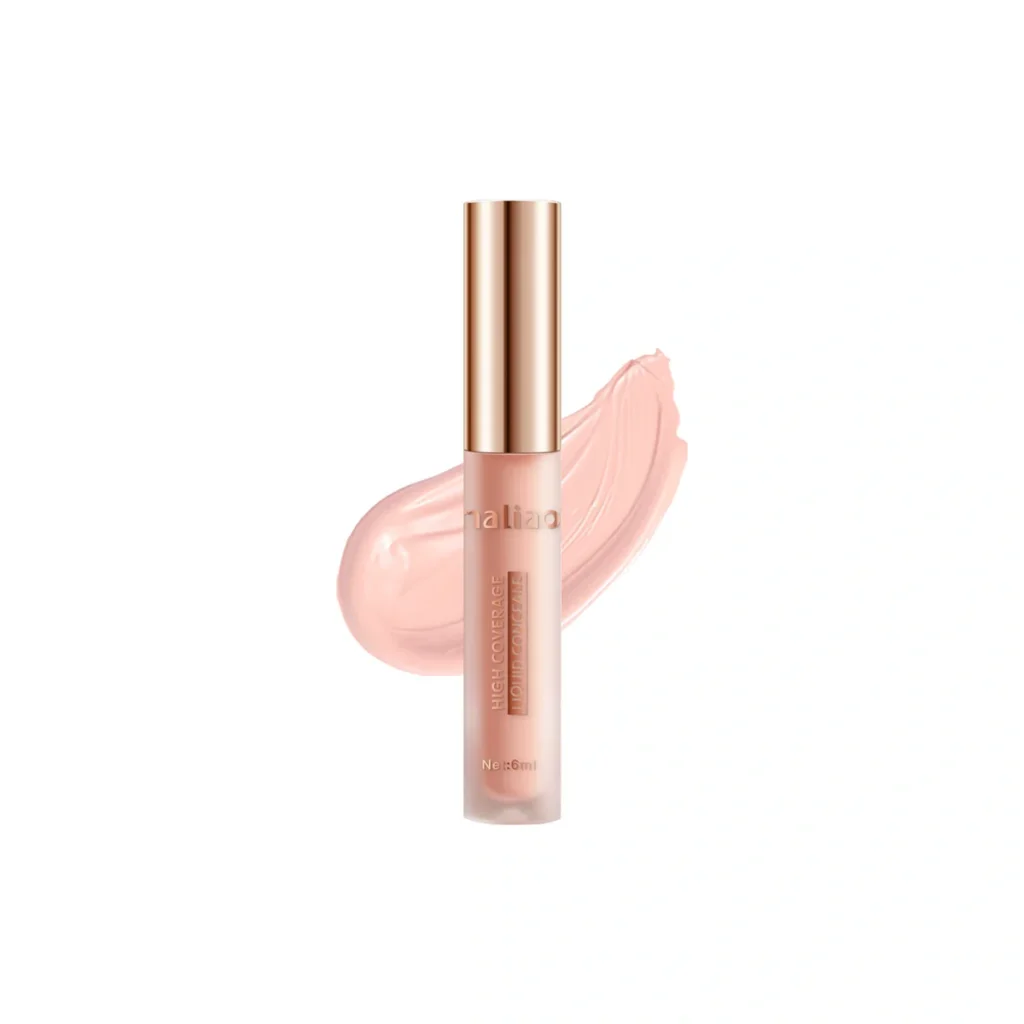
Liquid Concealer
Lightweight and easy to blend
Great for beginners
Best for: Under‑eyes and everyday makeup
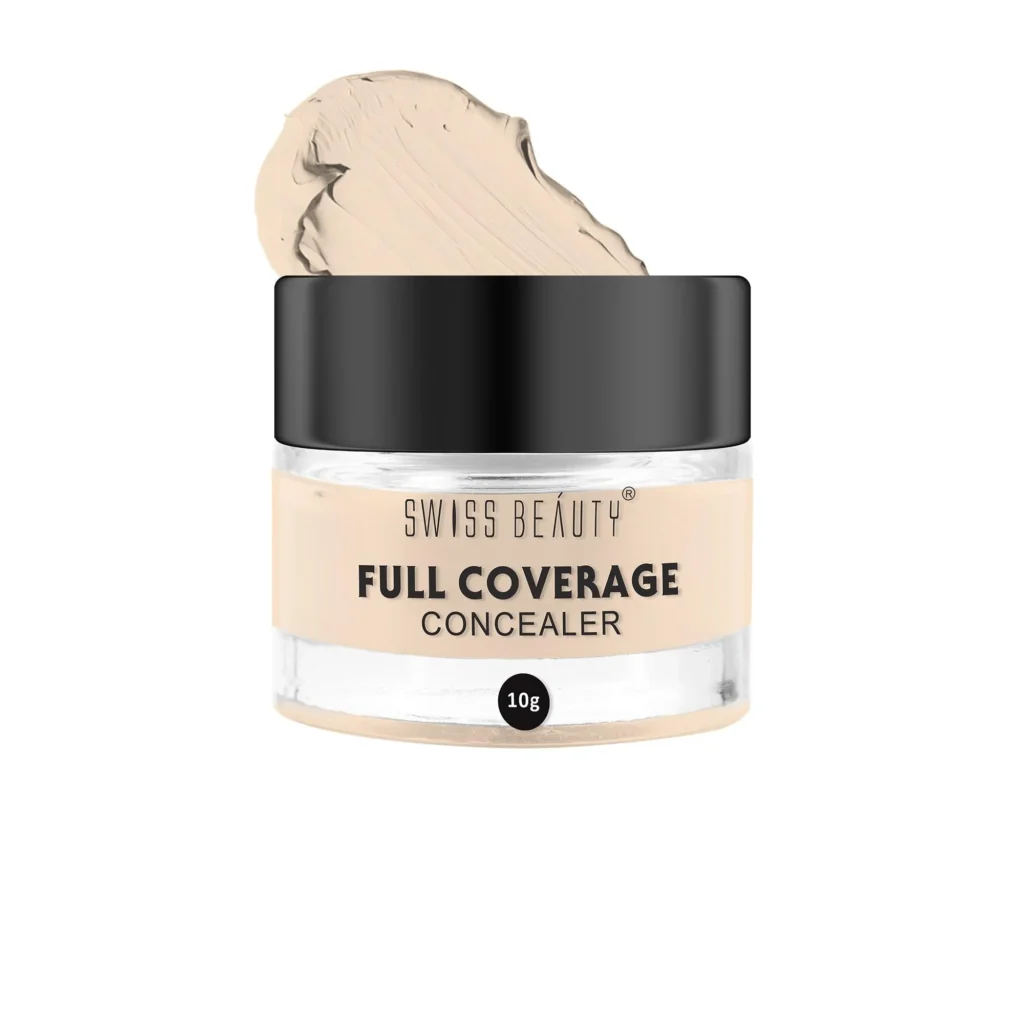
Cream Concealer
Medium to full coverage
Blends well with fingers or a sponge
Best for: Dark circles and pigmentation
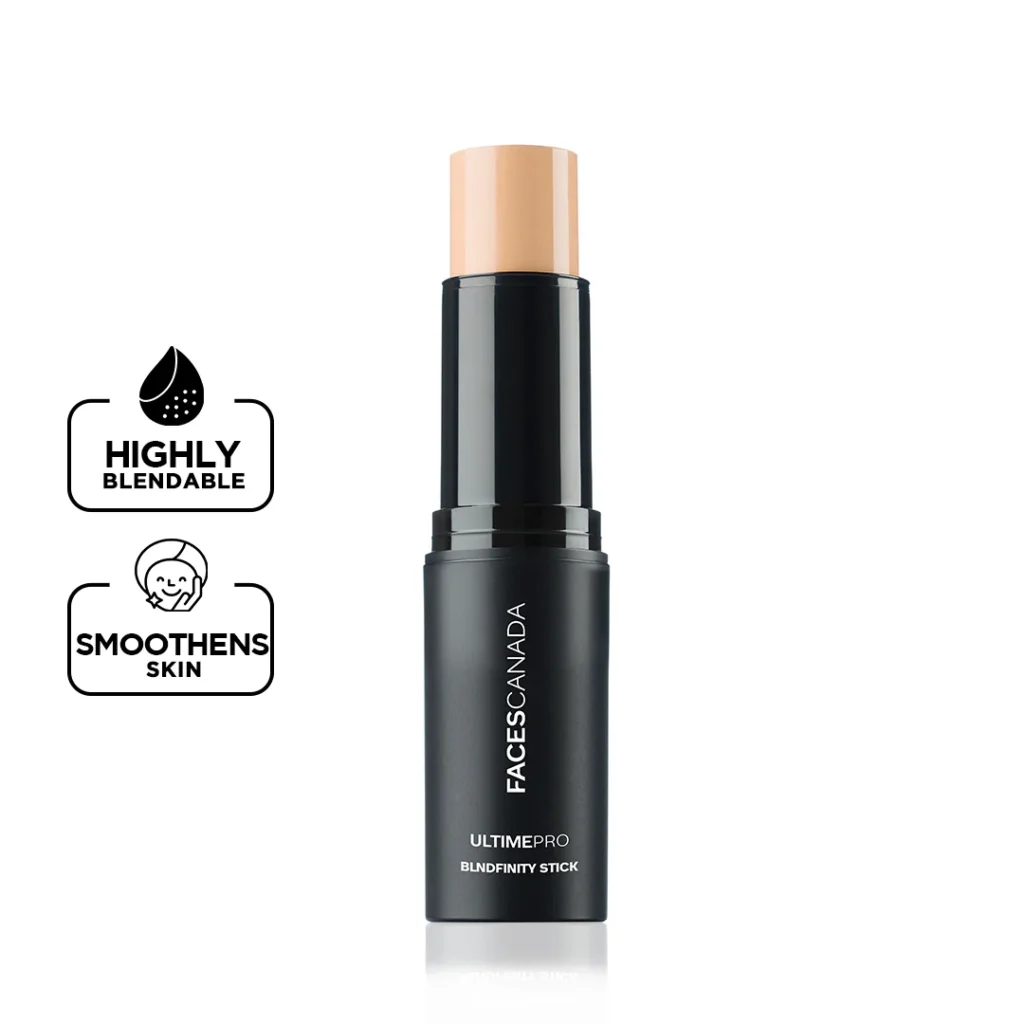
Stick Concealer
Thick and high coverage
Easy for spot correction
Best for: Acne marks and quick touch‑ups
How to Test Concealer the Right Way
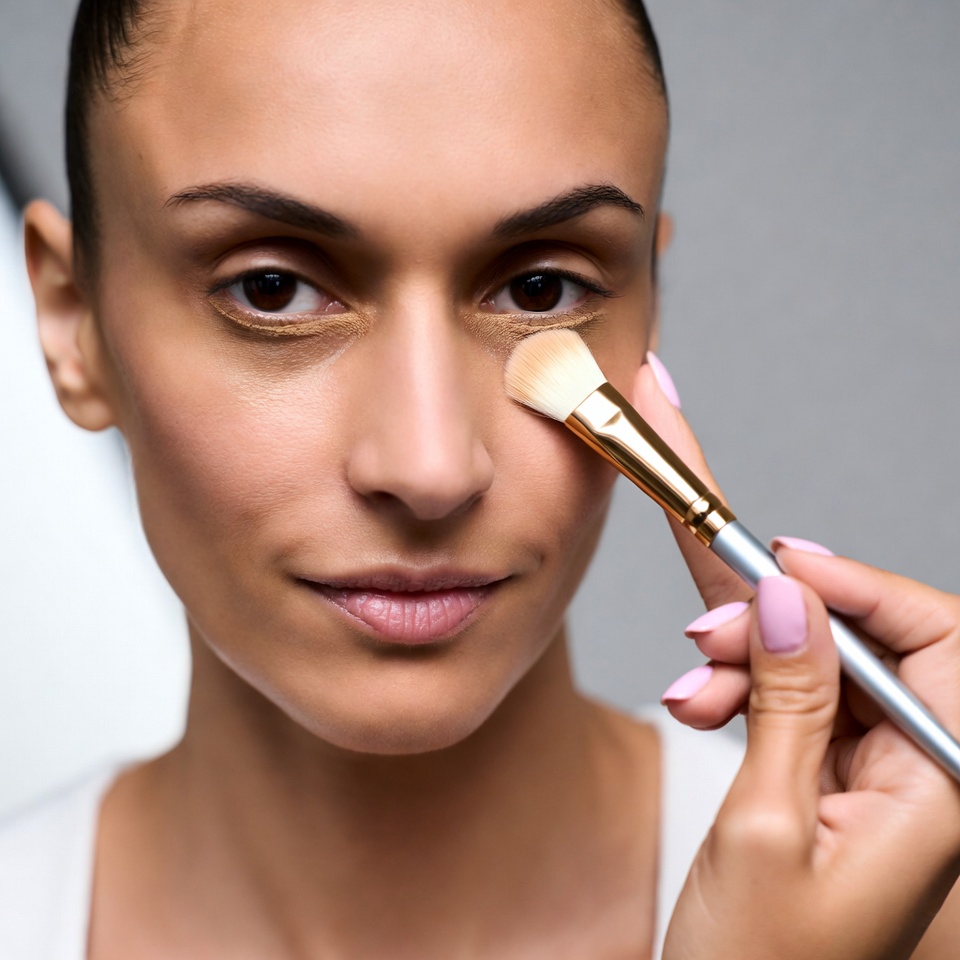
Testing your concealer correctly can save you from buying the wrong shade and ending up with makeup that looks patchy or unnatural. A proper shade test ensures your concealer blends seamlessly into your skin.
Simple Concealer Testing Tips
Test on Your Jawline, Not Your Hand
The skin on your hands is usually a different color than your face. Always test concealer on your jawline or lower cheek to see how well it matches your face and neck.Check the Shade in Natural Light
Store lighting can be misleading. Step into natural daylight to see the true color of the concealer and make sure it doesn’t look too light, dark, or gray.Apply a Small Amount and Blend
Dab a little concealer onto your skin and gently blend it out. Give it a few minutes to settle, as some formulas slightly oxidize after application.Look for a Seamless Finish
If the concealer disappears into your skin without obvious lines or patches, it’s most likely the right shade for you.
Why This Step Matters
Testing properly helps you achieve a natural, flawless look and prevents wasted money on shades that don’t suit your skin tone or undertone.
Common Concealer Mistakes to Avoid
Even a good concealer can look bad if used incorrectly.
Avoid:
- Using a very light shade for acne
- Applying thick layers under the eyes
- Ignoring your undertone
- Skipping blending
Less product usually looks more natural.
Easy Application Tips for a Natural Look
Small techniques make a big difference.
- Use small dots, not heavy strokes
- Blend gently with fingers or a sponge
- Set lightly with translucent powder to avoid creasing
- Start with a small amount-you can build coverage if needed
These simple habits help your makeup look fresh and smooth.
Final Thoughts
Choosing the right concealer colour doesn’t have to be tricky. Once you know your skin tone, undertone, and what you want to cover, the process becomes easy and fun. Affordable concealers from brands like Maybelline, NYX, e.l.f., Swiss Beauty, L.A. Girl, and L’Oréal Paris make it possible to start your makeup journey without feeling overwhelmed.
Remember, makeup is about enhancing your natural beauty. The right concealer should blend seamlessly and give your skin a little confidence boost-without looking obvious. ✨